i became the owner of a poor estate : The Real Story Nobody Tells You
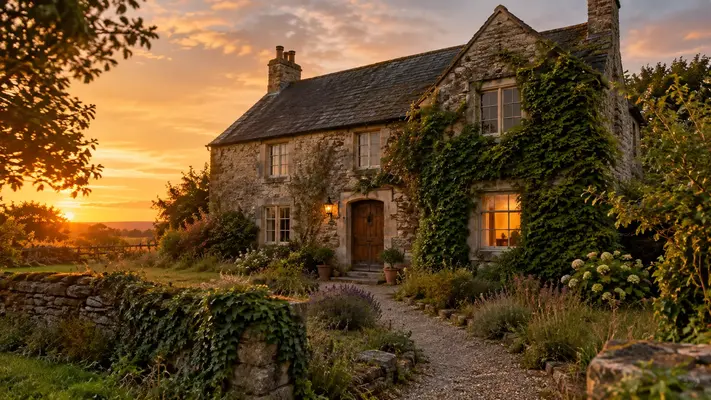
Everyone imagines inheriting an estate as champagne and chandeliers. Nobody warns you about the leaking roof, the unpaid tax bill, and the three-generation family feud stapled to the deed.
That’s exactly what happened to me. I became the owner of a poor estate the moment I signed one piece of paper, and the next twelve months taught me more about money, patience, and property than any book ever could.
What It Really Means to Become the Owner of a Poor Estate
The word “estate” sounds glamorous. The reality, for most people who become the owner of a poor estate, looks nothing like a period drama.
A poor estate usually means one of three things:
- A property drowning in debt — mortgages, back taxes, or unpaid contractor bills attached to the land.
- A structure in physical decline — roofs, plumbing, and wiring untouched for decades.
- An asset with no working income model — land or buildings that cost money every month but generate none.
Most people who suddenly become the owner of a poor estate deal with all three at once. That combination is what makes the first year brutal.
How I Became the Owner of a Poor Estate in the First Place
It rarely happens by choice. A relative passes away and leaves behind a property nobody maintained. A foreclosure auction looks like a bargain until the inspection report arrives. A family land dispute finally settles, and you’re handed a “win” that costs more than it’s worth.
Whatever the path, I became the owner of a poor estate almost by accident, and the shock hit fast. The paperwork said I was wealthy. My bank account disagreed completely.
That gap between paper value and real liquidity is the defining feature of a poor estate — and inheriting a struggling estate almost always starts with that same painful surprise.
The Hidden Costs Nobody Mentions Before You Become the Owner of a Poor Estate
Legal and Probate Costs
Before you fix a single wall, you’ll likely pay lawyers, courts, and appraisers just to confirm the property is legally yours. Inheriting a struggling estate often costs money before it earns you a cent.
Structural and Maintenance Debt
Old estates accumulate deferred maintenance — every repair someone postponed for twenty years, now due at once. This is where estate renovation on a budget stops being a preference and becomes a survival skill.
Emotional and Time Costs
This should be on a spreadsheet, but no one does. Managing contractors, chasing paperwork, and untangling family expectations eats evenings and weekends for months.
My First 90 Days as the Owner of a Poor Estate: A Realistic Turnaround Roadmap
Step 1 — Full Property and Financial Audit
Before spending a dollar on repairs, list every asset, debt, and recurring cost tied to managing an inherited estate. You cannot fix what you haven’t measured.
Step 2 — Triage the Bleeding
Not every problem deserves attention on day one. Fix whatever is actively losing money or getting worse — a leaking roof beats a chipped fence every time.
Step 3 — Build a Small Support Team
One reliable contractor, one accountant, and one local real estate contact will do more for turning around a failing property than any solo DIY effort ever could.
What Changes Once You Become the Owner of a Poor Estate vs. a Thriving One
| Factor | Poor Estate | Thriving Estate |
| Monthly cash flow | Negative | Positive or breakeven |
| Maintenance backlog | Extensive | Minimal, scheduled |
| Legal status | Often unresolved liens/taxes | Clear title |
| Income sources | None or unreliable | Multiple (rent, land use, events) |
| Owner’s time investment | Very high | Moderate, systemized |
The gap between these two columns isn’t luck — it’s the sequence of decisions every owner of a poor estate makes in year one.
Where the Real Money Comes From Once You’re the Owner of a Poor Estate
Turning a struggling estate around rarely happens through one big fix. These rundown estate income ideas turned my numbers around faster than any single renovation could:
- Leasing unused land to local farmers or businesses for storage or grazing
- Short-term event rentals for weddings, photo shoots, or workshops
- Splitting or subdividing part of the land, where zoning allows
- Heritage or restoration grants, often available for historically significant properties
- Basic tourism or agritourism, even on a small scale, if the location supports it
None of these fix everything alone, but stacked together, they turn a liability into a slowly self-funding project.
Mistakes That Almost Sank Me as the Owner of a Poor Estate
Restoring an old estate teaches you fast which mistakes are expensive and which are fatal:
- Renovating before budgeting — cosmetic fixes before structural ones is the fastest way to run out of money.
- Ignoring local zoning rules — plans that sound great on paper can be illegal in practice.
- Trying to do it all solo — pride is expensive; delegation is cheaper.
- Underestimating emotional attachment — family memories can slow down necessary, unsentimental decisions.
FAQs
What does it mean to become the owner of a poor estate?
It usually means the property comes with more debt, disrepair, or unresolved legal issues than it has current market value. When you become the owner of a poor estate, you inherit the title, but not the wealth people assume comes with it.
How much money should I set aside before doing anything?
Most owners underestimate estate debt and taxes badly. A realistic starting reserve covers legal fees, an inspection, and at least three months of holding costs before any renovation begins.
Can a struggling estate ever become profitable again?
Yes, but rarely through one large fix. Profitability usually comes from combining several smaller income sources while gradually reducing the maintenance backlog.
Should I sell instead of trying to fix it?
If the debts exceed realistic resale value even after minimal repairs, selling as-is can be the smarter financial move. A proper audit, not emotion, should make that call.
What’s the biggest mistake first-time owners of a poor estate make?
Spending on visible cosmetic upgrades before fixing invisible structural or financial problems, which usually cost far more if left unaddressed.
Do I need a lawyer even if there’s no dispute?
Almost always yes. Even uncontested inheritances involve paperwork, taxes, and title transfers that are easy to get wrong without guidance.
How long before I stop being the owner of a poor estate in name only and start seeing real profit?
Most owners see the property stabilize — meaning it stops losing money every month — somewhere between six months and two years, depending on the scale of the debt and repairs.
The Bottom Line
Becoming the owner of a poor estate isn’t the inheritance fantasy people imagine — it’s a slow, deliberate rebuild that rewards patience over panic. The owners who make it through aren’t the ones with the most money. They’re the ones who audit first, fix what’s bleeding, and build income one small stream at a time.