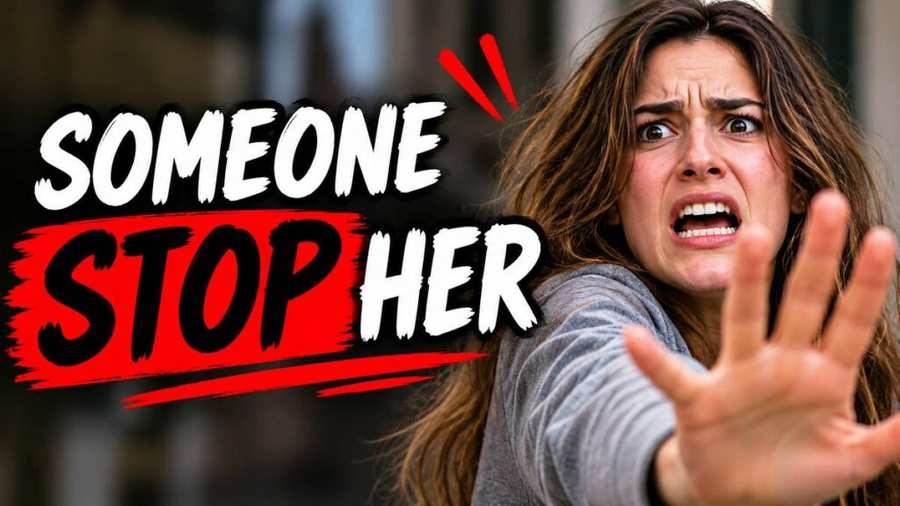
What Does “Someone Stop Her” Mean? The Ultimate Guide to the Viral Phrase
Author: Digital Culture & Media Research Team
Fact Checked by: Senior Content Strategist
Last Updated: Current Year | Topic Authority: Internet Slang & Pop Culture Tropes
You see the phrase “someone stop her” flooding your TikTok feed and social comments, leaving you guessing its real intent. Missing these viral internet trends makes online culture feel confusing and out of reach. This definitive guide unpacks the origin, cultural context, and everyday usage of this viral phrase so you never miss a beat.
What Is the Origin of the Phrase “Someone Stop Her”?
The phrase “someone stop her” began as a classic dramatic line in theater, television, and film. Writers used this line during high-stakes scenes where a female character took a bold, unexpected, or destructive action. Over time, entertainment media built this expression into a recognized dramatic trope.
According to research cataloged on Know Your Meme, internet users adapted the phrase during the rise of short-form video content. Social media creators began taking dramatic lines out of original movies and placing them over funny, everyday scenarios. This dynamic transformed a traditional movie cliché into a modern internet joke.
Today, the phrase thrives across platforms like TikTok, Instagram Reels, and X (formerly Twitter). People use it to highlight moments where a woman performs with overwhelming skill, energy, or humorous intensity.
How Social Media Turned “Someone Stop Her” Into a Viral Meme
Social media platforms rely heavily on repetitive audio clips and shared joke templates. When users attach a trending audio clip featuring someone stop her to a video, the algorithm promotes that content to broader audiences. This repetition pushes niche jokes into mainstream culture within days.
Creators quickly realized that dramatic captions drive higher comments and shares. Posting a video of a friend singing passionately with the caption someone stop her creates instant entertainment. Viewers join the fun by adding playful comments that boost the video further.
Viral trends grow when people can easily copy and adapt them. Because anyone can film a quick video and apply this phrase, the trend expanded across millions of posts globally.
The Core Cultural Meaning Behind “Someone Stop Her”
While the literal words suggest a request for intervention, the modern usage carries a completely different meaning. In almost all social media contexts, people use someone stop her as an enthusiastic compliment or playful hyperbole. It signals that someone is performing at an extraordinarily high level.
When fans watch a pop star deliver an impressive stage performance, they might comment someone stop her to express awe. The phrase implies that her talent is so powerful it threatens to overwhelm the audience. It celebrates confidence, skill, and bold self-expression.
Understanding this cultural shift helps you read online commentary accurately. Instead of showing concern, users use the phrase to amplify praise and show admiration.
Why TikTok Creators Love Using “Someone Stop Her”
TikTok thrives on dramatic exaggeration and quick punchlines. Short videos require captions that instantly set a tone before the viewer scrolls away. Using someone stop her sets an immediate mood of playful drama.
Content creators use this phrase to capture user attention within the first two seconds of a video. High-performing captions encourage viewers to watch the clip repeatedly to catch the punchline. This higher watch time signals the platform to recommend the video to thousands of more feeds.
Here are four common reasons creators pick this exact phrase for their posts:
- Instant Humor: It turns a simple video into a cinematic moment.
- High Relatability: Viewers instantly recognize the joke format.
- Algorithm Support: Trending phrases help search algorithms classify video topics easily.
- Community Building: Fans use shared language to bond over favorite creators.
The Psychological Reason Famous Memes Go Viral
Humor often relies on contrast between expectation and reality. When a caption sounds urgent but attaches to a lighthearted video, your brain registers the mismatch as funny. Linguistic research published by Oxford Academic highlights how hyperbole and irony drive viral communication across modern digital networks.
Social media users enjoy feeling connected to insider cultural knowledge. When you understand how someone stop her functions as a meme, you feel part of an active online community. Shared jokes create a sense of belonging among millions of internet users.
Additionally, emotional reactions drive online sharing. Phrases that trigger amusement or awe prompt users to tag friends, accelerating how fast a phrase spreads.
Storytelling Tropes: “Someone Stop Her” in Movies and Literature
In narrative writing, this phrase represents a pivotal plot point. Screenwriters place this line in scripts to emphasize a character’s unchecked power or sudden rebellion. Readers and viewers instantly recognize that the scene reached a climax.
Classical literature offers clear definitions for dramatic tropes and exaggerated expressions. The Cambridge Dictionary defines hyperbole as intentional exaggeration not meant to be taken literally, which matches how this phrase functions today.
Understanding the narrative history helps creators write stronger scripts and posts. Blending classic dramatic tropes with modern humor produces content that resonates across different generations.
Key Differences Between Sarcastic and Genuine Intent
Determining whether a phrase expresses real concern or playful praise depends on context, tone, and visual cues. On the internet, genuine calls for help look vastly different from meme captions.
To evaluate intent quickly, consider these three factors:
- The Visual Context: A video showing someone dancing playfully indicates positive humor.
- Audio Clues: Upbeat background music or laughter confirms the post is lighthearted.
- Punctuation and Emojis: Laughing emojis or ALL-CAPS text usually highlight sarcastic or hyperbolic praise.
When a post features genuine danger, captions remain direct and unexaggerated. Memes clearly show their intent through playful presentation.
Breakdown of Popular “Someone Stop Her” Meme Formats
To help you identify how people use this trend across various digital spaces, review this breakdown of common formats:
| Format Type | Platform | Typical Intent / Tone | Practical Example Scenario |
| Talent Showcase | TikTok / Instagram | Enthusiastic Praise | A singer hits an incredible high note during a live concert performance. |
| Relatable Overachieving | Reels / YouTube Shorts | Playful Irony | A home cook decorates a casual birthday cake like a professional artist. |
| Pet Antics | TikTok | Lighthearted Humor | A energetic cat zooms across the room jumping off furniture. |
| Dramatic Fictional Clip | X (Twitter) | Cinematic Nostalgia | Sharing a movie scene where the female protagonist defeats the main villain. |
How to Use “Someone Stop Her” in Your Own Content
You can easily add this trend to your personal social media strategy to boost reader engagement. The secret lies in pairing the caption with high-energy or surprisingly impressive visual content.
Follow these simple steps to build an engaging post:
- Pick a video clip where a person or pet shows intense focus or skill.
- Write a punchy video overlay using the phrase in all capital letters.
- Add upbeat background audio that matches the energy of the action.
- Include clear tag words in your caption to help search engines index your video properly.
When you use popular phrases correctly, your content feels natural and connects directly with your audience.
Related Terms and Internet Slang You Need to Know
Internet slang evolves quickly, creating interconnected clusters of popular words. Learning related terms helps you stay current with modern online conversations.
Here are key terms often used alongside someone stop her:
- She Ate: A phrase used to express that someone performed perfectly.
- Main Character Energy: Describing someone who acts with supreme confidence.
- Mother: A slang term of admiration for iconic female figures or performers.
- Unstoppable: Used to describe high momentum in sports, entertainment, or personal goals.
FAQs
What does “someone stop her” mean on TikTok?
On TikTok, this phrase serves as a dramatic compliment. Creators use it to praise someone who is performing exceptionally well, acting wildly funny, or displaying incredible talent.
Is “someone stop her” a positive compliment?
Yes, in modern social media culture, the phrase is almost always a positive compliment. It uses playful exaggeration to show awe and admiration for someone’s actions.
Where did the phrase “someone stop her” originate?
The phrase originated as a standard line of dialogue in dramatic theater and film scripts. Internet users later adopted it as a humorous caption for viral social media videos.
How do I use “someone stop her” in a social media caption?
Attach the caption to a short video showing an impressive feat, a funny overachievement, or high-energy performance. Pair it with energetic music to maximize the comedic effect.
What are common synonyms for “someone stop her” online?
Popular internet synonyms include “she is unstoppable,” “she ate,” “she is taking over,” and “main character energy.”
Can “someone stop her” be used in serious contexts?
While it originated in serious dramatic scripts, its current use on social platforms is almost entirely humorous and celebratory. Context dictates whether it carries serious meaning.
Master Internet Trends and Expand Your Reach
Staying ahead of social media trends gives you a massive advantage in online communication. Understanding phrase origins, cultural context, and tone allows you to create engaging content that builds strong audience connections.
Start applying these insights to your social media captions today to double your engagement and connect naturally with modern internet culture!