Yamete Kudasai, Mabushii Desu: Meaning, Origins, and Meme Guide
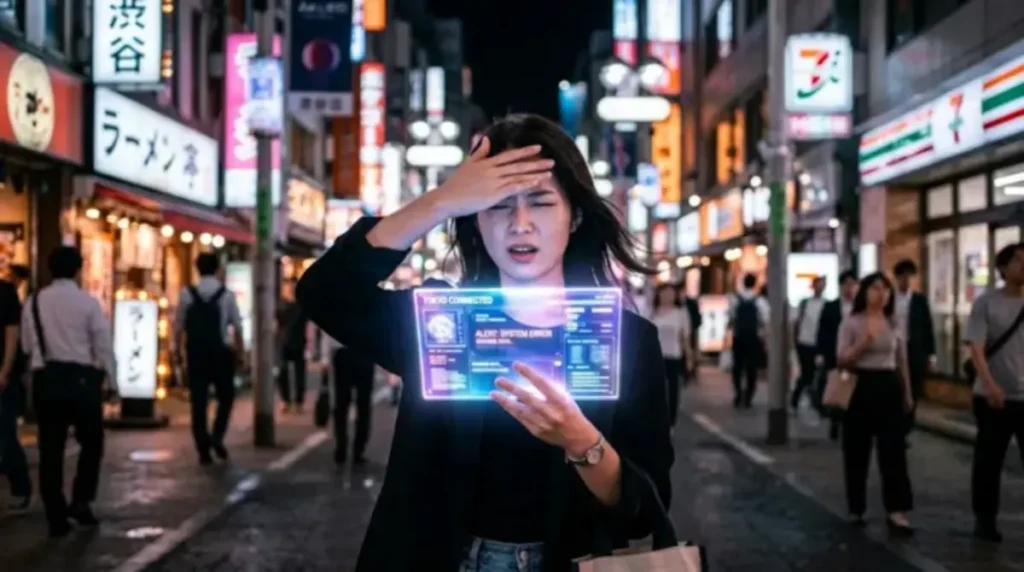
You heard an intense audio clip shout yamete kudasai, mabushii desu across a viral video and could not decipher the joke. Misinterpreting Japanese catchphrases often leads to embarrassing blunders in social chats or language study groups. This comprehensive breakdown unpacks the exact linguistic mechanics, comedic history, sound clip repositories, and social etiquette behind the viral expression.
WhYamete Kudasai, Mabushii Desu: Meaning, Origins, and Meme Guide
You heard an intense audio clip shout yamete kudasai, mabushii desu across a viral video and could not decipher the joke. Misinterpreting Japanese catchphrases often leads to embarrassing blunders in social chats or language study groups. This comprehensive breakdown unpacks the exact linguistic mechanics, comedic history, sound clip repositories, and social etiquette behind the viral expression.
What Does the Japanese Mean of Yamete Kudasai, Mabushii Desu?
The Japanese phrase yamete kudasai, mabushii desu translates directly to “Please stop, it is bright” or “Please stop, it is blinding.” Native speakers combine two distinct clauses to issue a polite yet direct plea against an overpowering light source.
The initial verb clause requests an immediate halt to an ongoing action. The second clause supplies the physical justification by identifying the sensory discomfort.
In everyday Japanese society, someone says this when a room light turns on abruptly in the morning or when a phone flashlight points straight at their eyes. Online communities transformed yamete kudasai, mabushii desu into an iconic hyperbolic reaction to blinding visual edits and dramatic screen transitions.
Grammatical Breakdown of the Full Expression
Dissecting the sentence structure clarifies how polite Japanese functions in daily conversations:
Yamete (止めて / やめて): The conjunctive te-form of the verb yameru, which translates as “to stop,” “to discontinue,” or “to cease.”
Kudasai (ください): An honorific auxiliary verb functioning like “please” to soften the command into a socially acceptable request.
Mabushii (眩しい / まぶしい): A standard i-adjective describing an intense glare, brilliance, or radiant brightness.
Desu (です): The polite copula that affirms the statement and establishes respect toward the listener.
Grammar resources like Tae Kim’s Guide to Learning Japanese highlight how pairing the te-form with kudasai creates an accessible standard for polite interaction.
Yamete Kudasai Meaning and Everyday Social Nuances
The core yamete kudasai meaning centers on stopping an unwanted disruption. Native speakers rely on this structure during regular social situations without any comedic or theatrical intention.
If a passenger bumps your seat on a train, you state the phrase calmly. If a classmate keeps shaking your desk during study hours, you utter it firmly.
What does yamete kudasai mean in relaxed peer groups? Speakers strip away the formal marker to utter simply “yamete,” which acts as a punchy, casual “stop it.” Adding “kudasai” preserves social harmony when addressing acquaintances, store clerks, or colleagues.
Understanding the Sensory Depth of “Mabushii Desu”
The predicate “mabushii desu” communicates genuine physiological discomfort caused by intense luminance. When stepping outside into glaring summer sunshine, Japanese locals naturally squint and murmur “mabushii” to themselves.
Beyond physical rays, the word possesses an expressive figurative dimension. Japanese literature and television often characterize an inspiring peer, an immaculate smile, or an energetic youth as “mabushii” because their aura radiates confidence.
When combined with a plea to stop, however, the meaning stays grounded in discomfort: the light source is simply too strong to tolerate.
The Rise of the Yamete Kudasai Meme on the Global Internet
The explosion of the yamete kudasai meme began across international anime forums and video-sharing platforms. Video editors took short voice lines from dramatic Japanese media and placed them over chaotic footage.
Creators found humor in matching theatrical vocal distress with mundane tech mishaps. Turning on an electronic device with maximum screen brightness in a pitch-black bedroom became the quintessential scenario for yamete kudasai, mabushii desu.
The clip went viral because the exaggerated vocal performance amplified the relatable pain of sudden digital glare. The sound quickly gained traction across TikTok trends, Reddit reaction threads, and Discord soundboards.
Audio Meme Formats: Sound Clips, Soundboards, and Downloads
Digital audio culture fueled the longevity of this viral catchphrase across multiple editing communities:
Yamete kudasai sound effect: Creators insert the high-pitched voice track right as visual flashbangs, explosions, or pure white frames hit the screen.
Yamete kudasai soundboard: Interactive gaming soundboards feature one-click triggers so gamers can react instantly to in-game stun grenades.
Yamete kudasai sound clip: Content creators splice short two-second segments into commentary tracks to emphasize visual shock.
Users looking for a yamete kudasai sound download often search creative-commons audio databases to implement the trend in custom streams and Discord bots.
Yamete Kudasai in Anime Tropes vs. Real Speech
The theatrical delivery heard in yamete kudasai anime moments differs sharply from ordinary Japanese conversation. Anime voice actors intentionally over-enunciate syllables and heighten pitch to dramatize emotional distress.
Characters yell the line during blinding magic attacks, explosive sci-fi transformations, or comedic slice-of-life bedroom pranks. The yamete kudasai original voice clips circulating on social platforms showcase this distinct acting style.
In real life, Japanese speakers never scream the phrase with theatrical voice breaks. They speak it with measured intonation, proving that media representations intentionally exaggerate linguistic delivery for entertainment value.
Clarifying Sensitive Misconceptions Around Anime Catchphrases
Non-Japanese internet users frequently misinterpret Japanese speech due to isolated exposure to adult parodies or explicit subtitles. Queries like yamete kudasai porn stem from foreign internet tropes that associate any Japanese female audio clip with adult media.
In reality, “yamete kudasai” is completely neutral and standard. It appears in school textbooks, business offices, news broadcasts, and children’s animated shows across Japan.
Separating online meme humor from genuine linguistics prevents awkward social misunderstandings. Authoritative dictionaries like Jisho.org index the components as purely functional grammatical units.
Yamete Kudasai Meaning in English: Literal vs. Natural Comparison
Direct machine translations often strip away natural conversational rhythm. Review this structured comparison to see how the expression translates across different contexts.
| Japanese Text | Romaji Transcription | Literal Translation | Natural English Context | Formality Level |
| やめてください | Yamete kudasai | Please stop doing | “Please stop that” | Standard Polite |
| まぶしいです | Mabushii desu | It is dazzling | “It is blinding” | Standard Polite |
| やめて、まぶしい! | Yamete, mabushii! | Stop, bright! | “Stop, that’s too bright!” | Casual / Friends |
| やめてください、まぶしいです | Yamete kudasai, mabushii desu | Please stop, it is bright | “Please turn that off, it’s blinding me” | Standard Polite |
As shown in the table, accurate yamete kudasai translation depends on emotional intensity and social distance.
Proper Etiquette and Contexts for Speaking This Expression
Using yamete kudasai, mabushii desu correctly requires reading the social environment:
Use the phrase when someone points a phone camera flashlight directly at your face during indoor gatherings.
Lower your voice volume when requesting someone to close window blinds on public transit like the Shinkansen.
Shorten the phrase to “mabushii!” if you simply want to comment on the midday sun while walking with friends.
Never yell the full sentence jokingly at service workers or unfamiliar locals in public spaces.
Understanding what is yamete kudasai in pragmatic terms ensures you communicate boundaries politely without creating unnecessary social friction.
Script Representation: Writing Yamete Kudasai in Japanese
Writing yamete kudasai in Japanese correctly involves a choice between phonetic kana and kanji characters:
Hiragana: やめてください、まぶしいです
Kanji & Kasna: 止めてください、眩しいです
Most casual online media and manga panels write the entire sentence in hiragana to indicate fast, emotional dialogue. Publications like The Japan Times showcase how modern Japanese frequently balances kanji clarity with kana readability in print.
Expand Your Understanding of Japanese Expressions
Mastering yamete kudasai, mabushii desu allows you to appreciate internet humor while respecting authentic Japanese linguistic rules. You can now distinguish between standard everyday manners and high-energy anime performance tropes.
Start practicing proper pronunciation, test your knowledge with language partners, and explore authentic Japanese media with clear cultural confidence. Dive deeper into Japanese vocabulary today to elevate your language journey beyond online memes.