What Is a Webtoon? The Complete Guide to en Webtoon Platforms and Reading
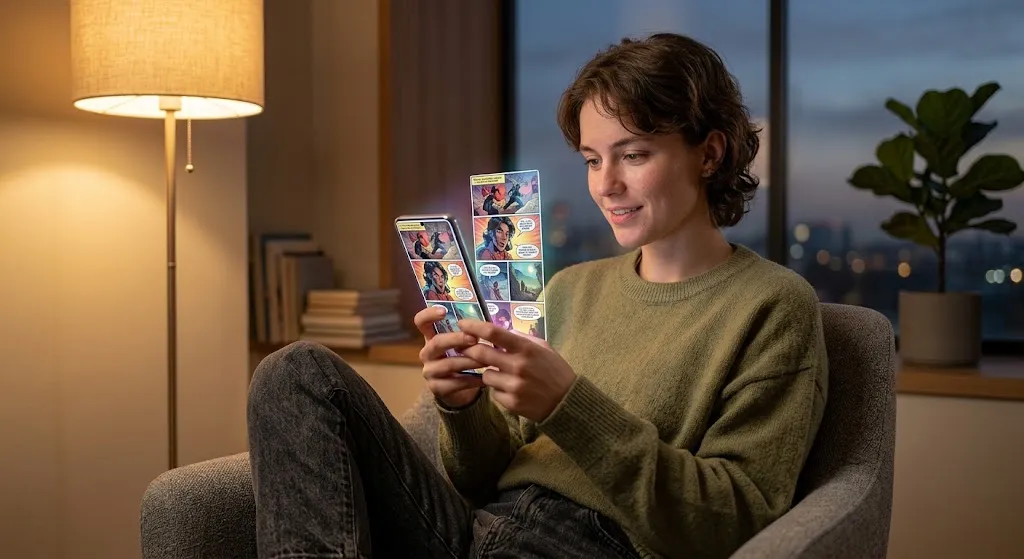
You keep hearing friends rave about webtoons but have no idea where to begin. Scrolling through dozens of apps and confusing platforms wastes your time and leaves you more lost than before. This guide cuts through the noise and breaks down everything about digital comic reading — from top platforms to the best series you should start bingeing tonight.
Author: Daniel Mercer, a content strategist and digital comics analyst with over eight years of experience studying the Korean manhwa and international webcomic industries. Published research on digital storytelling trends for ComicsBeat and Publishers Weekly.
What Exactly Is a Webtoon?
A webtoon is a type of digital comic that can be seen vertically on tablets and smartphones. Unlike traditional print comics that use fixed page layouts, this format lets readers swipe downward through a continuous canvas of artwork and dialogue.
The term originated in South Korea in the early 2000s when Naver launched its digital comics section. Creators quickly realized that a tall, narrow layout matched how people naturally hold and scroll through their phones. That single design choice reshaped the entire comic industry.
Today, the format spans every genre imaginable — romance, horror, fantasy, slice-of-life, action, and thriller. Readers in over 150 countries consume billions of episodes each year.
How Digital Comics Changed the Reading Experience Forever
Before vertical-scroll comics arrived, reading manga or graphic novels on a phone meant pinching, zooming, and squinting at tiny panels. The experience felt broken.
The continuous-scroll format fixed that problem overnight. Panels flow naturally from one to the next, and creators use the vertical space to build dramatic tension. A character falling from a cliff, for example, stretches across several screen lengths — pulling the reader deeper into the moment.
This shift also lowered the barrier to entry for new creators. You no longer needed a publishing deal or a printing budget. Anyone with a drawing tablet and an internet connection could publish serialized comics to a global audience.
The Rise of en Webtoon: Reading in English Made Simple
The en webtoon movement refers to the growing ecosystem of English-language digital comics and translated Korean manhwa available to global readers. Platforms recognized early that English-speaking audiences represented a massive untapped market.
LINE WEBTOON (now simply WEBTOON) launched its English service in 2014 and saw explosive growth within two years. Titles like Tower of God by SIU and Lore Olympus by Rachel Smythe attracted millions of weekly readers who had never picked up a physical comic before.
Translation quality also improved dramatically. Early English releases suffered from awkward phrasing and cultural mismatches. Modern localization teams now adapt dialogue, sound effects, and cultural references so the reading experience feels native to English speakers.
Top en Webtoon Platforms You Should Know
Choosing the right platform depends on your reading habits, budget, and genre preferences. Here is a summary of the most well-liked choices that are now accessible.
| Platform | Content Library | Pricing Model | Best For | Update Frequency | Offline Reading |
| WEBTOON (webtoons.com) | 1,000+ titles | Free with Fast Pass coins | Romance, Fantasy, Drama | Daily | Yes (with coins) |
| Tapas (tapas.io) | 800+ titles | Free + Ink currency | Indie comics, LGBTQ+, Fantasy | Daily | Limited |
| Tappytoon | 400+ titles | Points-based | Korean manhwa, Romance | 2–3x weekly | Yes |
| Lezhin Comics | 500+ titles | Coin-based | Mature, BL, Thriller | Weekly | Yes |
| Manta | 200+ titles | Subscription ($3.99/mo) | Binge readers, Romance | Weekly | Yes |
| Pocket Comics | 300+ titles | Free + Tickets | Action, Isekai, Romance | 2–3x weekly | Limited |
Source data compiled from official platform pages: WEBTOON, Tapas, and Naver Webtoon.
Best Genres for Every Type of Reader
Not sure what to read first? Match your mood to a genre and dive in.
- Romance: True Beauty, Lore Olympus, Age Matters
- Fantasy/Action: Solo Leveling, Tower of God, The Beginning After the End
- Horror/Thriller: Bastard, Sweet Home, The Cliff
- Slice-of-Life: Cheese in the Trap, My Giant Nerd Boyfriend
- Sci-Fi: Noblesse, Nano List
- Comedy: Safely Endangered, Castle Swimmer
Each genre uses the vertical-scroll format differently. Horror creators stretch dark panels to build dread. Comedy creators use quick panel transitions for punchline timing.
How to Start Reading (Step-by-Step)
Getting started takes less than five minutes.
- Download an app — WEBTOON, Tapas, or Manta are the easiest for beginners.
- Create a free account — This saves your reading progress and unlocks free daily episodes.
- Browse by genre — Use the genre filter to find stories that match your taste.
- Read the first three episodes — Most series hook readers within the opening chapters.
- Subscribe to updates — Tap the bell icon so you get notified when new episodes drop.
That is it. The majority of platforms do not need a credit card.
Digital Comics vs Manga vs Traditional Comics: Key Differences
Readers often confuse these three formats. Here is how they stack up.
- Reading direction: Manga reads right-to-left. Traditional comics read left-to-right in fixed pages. Vertical-scroll comics scroll top-to-bottom.
- Color: Manga is nearly always in black and white. Traditional comics use full color. Most vertical-scroll series use full color with digital painting techniques.
- Release schedule: Manga chapters drop weekly or monthly in magazines. Digital episodes typically release once or twice per week.
- Panel structure: Manga and traditional comics use rigid panel grids. Vertical-scroll creators break panel borders freely, using the full width and height of the screen.
- Origin: Manga comes from Japan. Vertical-scroll comics originated in South Korea (manhwa). Traditional comics have roots in the US and Europe.
How Creators Make Money
Many readers assume digital comics are free and creators earn nothing. That is not the case.
Creators on major platforms earn through ad revenue sharing, coin-based early access, and direct tipping from fans. Top creators on leading platforms reportedly earn six-figure annual incomes.
Independent artists on Tapas and Patreon combine multiple income streams. They sell merchandise, offer behind-the-scenes content, and run crowdfunding campaigns for print editions of their digital series.
The business model rewards consistency. Creators who maintain a weekly upload schedule build loyal audiences faster and generate steadier income.
The Technology Behind Vertical Scrolling and Canvas Format
The vertical-scroll format is not just an aesthetic choice. It relies on specific technical decisions.
Most platforms use a canvas width of 800 pixels. The height is virtually unlimited, which gives creators freedom to stretch scenes across thousands of pixels. Episode files are sliced into smaller segments during upload so they load quickly on mobile networks.
Color profiles are optimized for OLED and LCD screens. Creators work in RGB color space rather than CMYK, which means colors appear more vibrant on devices than they would in print.
Some platforms now experiment with animated panels, embedded sound effects, and background music. These “motion comic” features add a cinematic layer to the reading experience without requiring full animation.
Communities and Fandom Culture
The fandom around digital comics is one of the most active on the internet.
Reddit communities like r/webtoons and r/manhwa host daily discussion threads, fan art showcases, and recommendation lists. Discord servers dedicated to specific series attract thousands of members who theorize about upcoming plot twists.
Fan translation groups also played a significant role historically. Before official English releases became common, volunteer scanlation teams translated Korean manhwa within hours of the original drop. While official platforms have largely replaced this practice, fan communities still drive discovery and word-of-mouth growth.
Common Mistakes New Readers Make
Avoid these pitfalls when you first start reading digital comics.
- Skipping the first few episodes: Many series start slow and build worlds gradually. Give a story at least five episodes before dropping it.
- Ignoring the comments section: Reader comments often contain hidden details, theories, and reactions that enhance the experience.
- Only reading one genre: The format excels across all genres. If you only read romance, you are missing out on incredible horror and sci-fi titles.
- Paying too early: Most platforms offer generous free tiers. Wait until you are genuinely hooked before spending money on early-access coins.
- Reading on a desktop only: While desktop reading works, the format was designed for phones. You will notice better pacing and panel flow on a mobile screen.
The Future of Digital Comic Storytelling
There are no indications that the industry will slow down. Global revenue for digital comics surpassed $8 billion in 2023, and projections point to continued double-digit growth.
Adaptations are fueling the next wave of expansion. Netflix, Crunchyroll, and Disney+ have all licensed popular series for live-action and animated adaptations. Solo Leveling became a hit anime in 2024, driving millions of new readers back to the original source material.
Artificial intelligence tools are also entering the creator workflow. Some artists now use AI-assisted background generation and coloring to speed up production without sacrificing their unique art style. The debate around these tools remains heated, but adoption is growing.
Start Your Reading Journey Tonight
The digital comic world is massive, welcoming, and easier to enter than ever before. Pick one platform from the table above, download the app, and read your first three episodes of any series that catches your eye. You will understand within minutes why millions of readers have made vertical-scroll comics their daily habit.