Raimei to Zansetsu: The Complete Guide to Thunder, Lingering Snow, and Unforgettable Storytelling
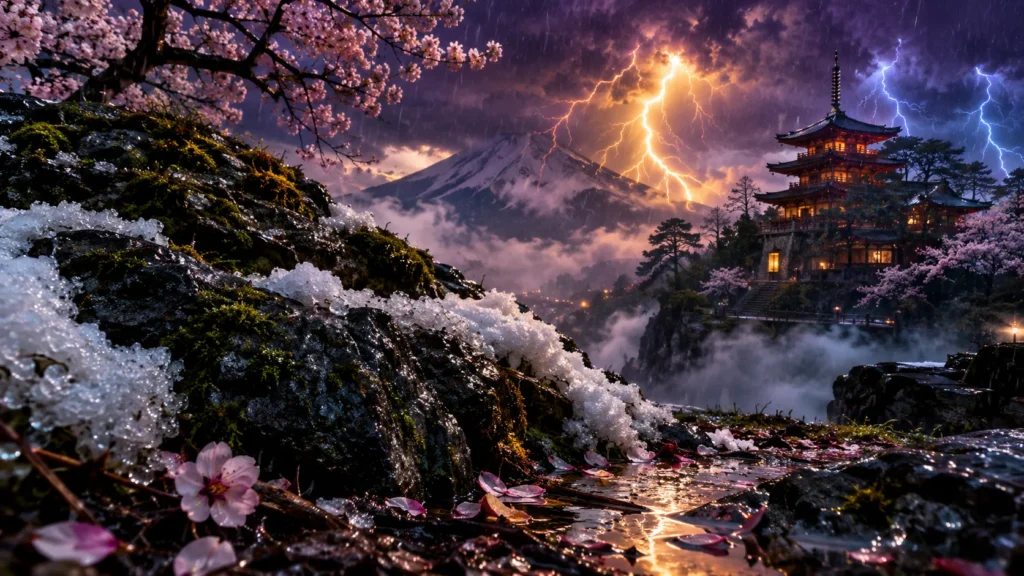
You picked up raimei to zansetsu expecting another forgettable manga. Rather, you found a tale that clings to your chest and would not let go.
The problem? Finding reliable, detailed information about this series feels impossible online. This guide solves that. You will walk away understanding every layer of the narrative, from its thundering symbolism to its quiet, snow-covered emotional beats.
What Is Raimei to Zansetsu and Why Does It Matter?
The title translates directly to “Thunder and Lingering Snow.” That pairing alone tells you everything about the emotional temperature of this series. Violent storms crash against quiet, frozen landscapes, mirroring the inner lives of its characters.
This Japanese manga stands apart because it refuses to pick a single lane. It blends action, introspection, and cultural depth into a reading experience that rewards patience. Readers who finish the story often describe it as transformative rather than merely entertaining.
The series draws heavily from classical Japanese literary traditions. Seasonal imagery drives the plot forward instead of serving as background decoration.
The Core Story Explained
At its heart, the narrative follows protagonists caught between two opposing forces. Thunder represents sudden, destructive change. Lingering snow represents the past that refuses to melt away.
The story opens in a rural Japanese setting where seasonal shifts carry spiritual weight. Characters must confront personal traumas while external conflicts escalate around them.
Every major plot turn aligns with a weather event. This is not coincidence. The mangaka uses meteorological shifts as direct metaphors for character development throughout raimei to zansetsu.
Main Characters You Need to Know
Understanding the cast unlocks the full experience. Each character embodies a different relationship with the central thunder-and-snow duality.
- The Thunder Bearer: A hot-tempered fighter whose rage masks deep grief. This character drives the action sequences and forces confrontations others avoid.
- The Snow Keeper: A quiet, observant figure who holds onto memories others have discarded. Their stillness creates the emotional anchor of the entire series.
- The Storm Chaser: An antagonist-turned-ally who thrives in chaos. Their arc challenges your assumptions about loyalty and redemption.
- The Thaw: A supporting character who represents hope and renewal. They appear during the most pivotal turning points.
The dynamic between the Thunder Bearer and the Snow Keeper forms the emotional spine of the story. Their interactions shift from hostile to tender across the progression.
Thematic Depth: Thunder as Destruction and Rebirth
Thunder in Japanese culture carries dual meaning. It destroys, but it also signals the arrival of spring rains that nourish new growth. The manga leans into this duality with remarkable precision.
Every thunderclap coincides with a character losing something they believed was permanent. A home. A relationship. A version of themselves.
Yet the aftermath always reveals something new growing in the wreckage. The mangaka trusts the reader to find hope inside devastation without spelling it out.
Lingering Snow Symbolism
Zansetsu, or lingering snow, refers to the patches of snow that survive well into spring. In this story, the imagery represents unresolved grief and the human tendency to cling to what should have already passed.
Characters who resist change are visually associated with snow-covered environments. As they grow, the snow around them literally melts in the panel compositions.
This visual storytelling technique elevates the manga above standard fare. The environment functions as a silent narrator from the first chapter to the last.
Art Style and Visual Storytelling Techniques
The artwork deserves its own discussion. The mangaka employs heavy contrast between chaotic, ink-splattered thunder scenes and minimalist, white-space-heavy snow sequences.
Panel layouts shift depending on the emotional register. Action scenes use jagged, overlapping frames. Quiet moments stretch single images across full-page spreads.
Weather effects dominate the visual language of raimei to zansetsu. Rain streaks across dialogue bubbles. Snowflakes interrupt panel borders. The environment bleeds into every element of the page design.
How It Compares to Similar Manga
Readers often draw parallels to series like Otoyomegatari and Mushishi for their shared reverence for nature and seasonal storytelling. However, this series distinguishes itself through more aggressive pacing.
Where Mushishi drifts, this manga strikes. The thunder metaphor is not subtle, and the story benefits from that directness.
Fans of psychological drama will also find echoes of Vinland Saga in the way trauma and moral ambiguity get handled across the arcs.
Cultural and Historical Context Behind the Title
The pairing of thunder and snow holds deep roots in Japanese poetic tradition. Haiku masters like Bashō and Issa frequently juxtaposed violent weather with quiet seasonal remnants.
The series channels this literary heritage into a modern manga format. The outcome feels both instantaneous and antiquated.
Understanding this context enriches every chapter. What initially reads as dramatic flair reveals itself as deliberate cultural homage upon rereading.
Reading Order and Publication History
The manga debuted as a serialized release before gaining enough traction for collected volumes. The publication timeline reflects the growing audience.
- Volumes 1–3: Establish the world, introduce the central conflict, and build the thunder-snow duality.
- Volumes 4–6: Deepen character backstories and escalate external threats.
- Volumes 7–9: Deliver the climactic confrontations and emotional resolutions that define the complete narrative experience.
New readers should start from Volume 1 without skipping. The foreshadowing in early chapters pays off spectacularly in later arcs.
Detailed Breakdown Table
| Element | Details | Significance |
| Title Meaning | Thunder and Lingering Snow | Central duality driving all narrative and visual choices |
| Genre | Drama, Action, Psychological | Blends internal and external conflict seamlessly |
| Setting | Rural Japan, seasonal shifts | Environment acts as a living character |
| Primary Theme | Grief versus renewal | Every arc explores this tension from a new angle |
| Art Style | High-contrast, weather-driven | Ink-heavy storms versus minimalist snowscapes |
| Pacing | Moderate to fast | Thunder scenes accelerate; snow scenes decelerate |
| Target Audience | Seinen (adult readers) | Mature themes handled with nuance and restraint |
| Volume Count | 9 collected volumes | Complete story with a definitive ending |
| Key Symbol | Melting snow under lightning | Represents forced transformation through pain |
| Narrative Structure | Seasonal arc progression | Each season marks a new story phase in raimei to zansetsu |
Why International Readers Connect With This Series
The emotional core transcends language barriers. Grief, rage, and the slow process of healing are universal human experiences.
International fan communities have grown rapidly around the manga. Readers from North America, Europe, and Southeast Asia connect over shared interpretations of the snow and thunder imagery.
Translation quality plays a role here. The best editions preserve the poetic weight of the original Japanese dialogue without flattening it into generic English phrasing.
Final Thoughts: Let the Thunder Move You
This manga does not ask for your passive attention. It demands that you sit with discomfort, watch the snow melt, and listen to the thunder long after the final page turns. The series earns its place on your shelf through sheer emotional honesty and masterful craft.
If you have not yet experienced raimei to zansetsu, start tonight. If you already have, go back to Volume 1 and watch how the first snowfall predicts the final storm. Then share your interpretation with the community. Your reading matters, and your voice adds to the conversation this extraordinary manga deserves.