Who Is the Resurrection Boy? Bible, Art, and TV Stories Explained
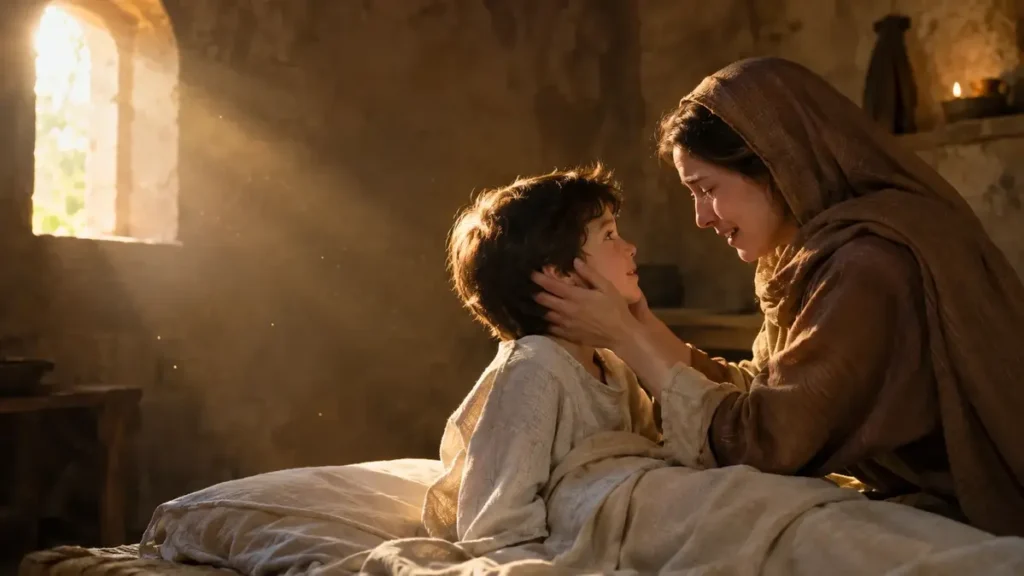
Type “resurrection boy” into a search bar and you get a jumble: a Bible miracle, a Florentine painting, a TV drama. That mix leaves you unsure which story you want.
This guide sorts them out. You will meet each resurrection boy, learn where his story comes from, and see how the stories connect.
What Does “Resurrection Boy” Mean?
The phrase resurrection boy has no single owner. People use it for any story where a child or young person dies and returns to life.
Three traditions tell these stories. Scripture records four cases. A Renaissance painter illustrated one from a saint’s life. A modern TV writer built a whole series on the idea.
This page treats all three as one topic. Each section names the source, the people involved, and what the story means.
Every Resurrection Boy Story at a Glance
| Story | Source | Who Restores Him | Setting |
| Widow of Zarephath’s son | 1 Kings 17:17–24 | Elijah | Zarephath |
| Shunammite woman’s son | 2 Kings 4:8–37 | Elisha | Shunem |
| Widow’s son at Nain | Luke 7:11–17 | Jesus | Nain |
| Eutychus | Acts 20:7–12 | Paul | Troas |
| Resurrection of a Boy (fresco) | Sassetti Chapel, Santa Trinita | St. Francis (per tradition) | Florence |
| Jacob Langston (TV) | ABC’s Resurrection, 2014 | No one; he simply returns | Arcadia, Missouri |
The Widow of Zarephath’s Son
Elijah is the first prophet in the Bible to bring back a child. A widow in Zarephath shelters him during a famine. Her son then falls ill, and his breathing stops.
After carrying the boy upstairs, Elijah places him on his own bed.. He prays, stretches over the child three times, and asks God to return the boy’s life. The child revives, and Elijah hands him to his mother.
Her response is the point of the story. She now trusts that Elijah speaks truth. You can read the full account in 1 Kings 17:17–24.
The Shunammite Woman’s Son
This resurrection boy story runs longer and hits harder. A woman in Shunem hosts Elisha and later receives a promised son. Years pass, and the boy grows.
One day in the harvest fields, he cries out about his head. He dies in his mother’s lap. She lays him on Elisha’s bed, shuts the door, and rides to find the prophet.
Elisha’s servant goes ahead with the prophet’s staff, and nothing happens. Elisha then arrives, prays, and lies over the child. The youngster opens his eyes and lets out seven sneezes. Read it in 2 Kings 4:8–37.
The Widow’s Son at Nain
Luke gives the only Gospel record of this miracle. Jesus approaches the gate of Nain and meets a funeral. The deceased man is the sole son of a widow.
Jesus does not wait for a request. He tells the mother not to weep, touches the bier, and says, “Young man, get up.” The son sits up and speaks.
Luke stresses the mother’s loss, since a widow without a son had no protector in that culture. This resurrection boy account centers on compassion. Find it in Luke 7:11–17.
Eutychus in Troas
Paul preaches late into the night in an upstairs room in Troas. A young man named Eutychus sits in an open window and drifts to sleep. He falls from the third floor and is pronounced dead.
Paul goes down, wraps his arms around him, and tells the crowd not to panic. Eutychus lives. The church goes back upstairs, eats, and talks until dawn.
Luke calls Eutychus a young man, though some translations use “boy” in verse 12. His story stands out because it reads like an accident report. Read Acts 20:7–12.
Ghirlandaio’s Resurrection of a Boy Fresco
Domenico Ghirlandaio painted a resurrection boy scene in Florence in the 1480s. It sits in the Sassetti Chapel of the church of Santa Trinita. The University at Buffalo’s visual resources collection catalogs it as a fresco titled Resurrection of a Boy.
The scene shows a miracle credited to St. Francis of Assisi. According to the tradition, a child from the Spini family fell from a window and died. Francis returned him to life.
Ghirlandaio set the miracle in a real Florentine square. He also painted the faces of local citizens into the crowd. That choice made a medieval legend feel like news from the neighborhood.
Jacob Langston: The Resurrection Boy on TV
ABC’s drama Resurrection premiered on March 9, 2014. It opens with an eight-year-old boy waking alone in a rice field in rural China. He says his name is Jacob and that he lives in Arcadia, Missouri.
An immigration agent, J. Martin Bellamy (Omar Epps), drives him home. There Jacob finds his parents, now elderly. The real Jacob drowned 32 years earlier.
The series draws on Jason Mott’s 2013 novel The Returned. It ran two seasons. Landon Gimenez played Jacob.
This modern resurrection boy raises a different question from the Bible stories. The Bible asks who has power over death. The drama asks what a family does when the dead come back unchanged and the living have moved on.
Why the Resurrection Boy Story Moves Readers
These stories share a small set of human threads:
- A parent’s grief. Every account puts a mother or father at the center.
- A child’s silence. The boy rarely speaks until he returns.
- A helper who acts. A prophet, a teacher, or a saint steps in.
- A community that watches. Neighbors witness the change and must decide what it means.
The resurrection boy motif lasts because everyone understands a parent’s fear. You do not need a religious background to feel it.
How to Read a Resurrection Boy Story With Care
Good readers ask the same four questions of any account. Use them for the Bible, the fresco, or the TV series.
- Who wrote it, and when? Kings, Luke, and Acts each come from different authors and eras.
- What did the audience already know? Luke’s readers knew the law of widows. Florentine viewers knew the Spini family.
- What does the storyteller want you to notice? Compare the mother’s role, the helper’s method, and the ending.
- Is it record, tradition, or fiction? Scripture claims to record events. The Francis story is a tradition. Resurrection is fiction.
Keeping these categories apart protects your credibility. Mixing them causes most of the confusion around this topic.
Resurrection Boy Stories Compared: Method and Meaning
Notice how each helper works. Elijah and Elisha use prayer and physical contact. Jesus speaks a command. Paul embraces Eutychus. Francis acts through a saint’s prayer.
The meaning shifts with the method. The prophets’ stories show God answering a human plea. The Nain account shows Jesus acting with authority. The Eutychus story shows the early church’s care for one ordinary member.
The fresco and the TV show reuse the theme for new audiences. Ghirlandaio honored a patron’s family. ABC explored belief and doubt in a small town.
Your Next Step
Pick one story from this page and read the original. Start with Luke 7:11–17 if you want the shortest account. Visit the Sassetti Chapel record if you love art. Watch the Resurrection pilot if you prefer drama.
Then share what you find. Tell us in the comments which resurrection boy story stayed with you, and why.